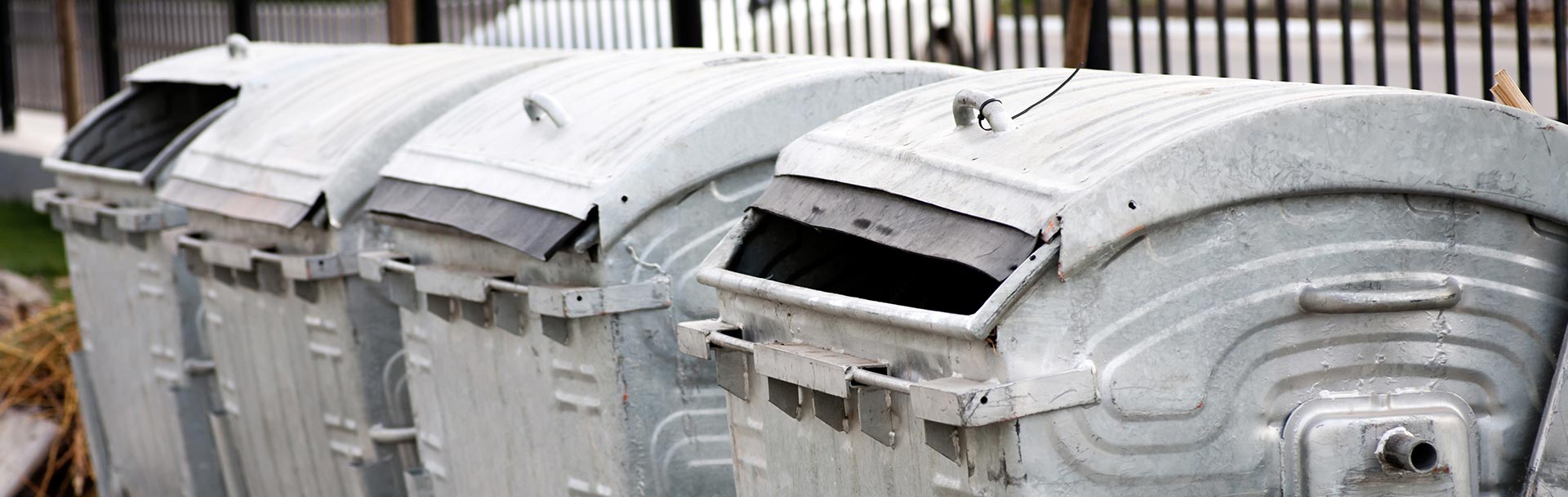
Hounslow Council rules for household rubbish disposal
Posted on 01/08/2026
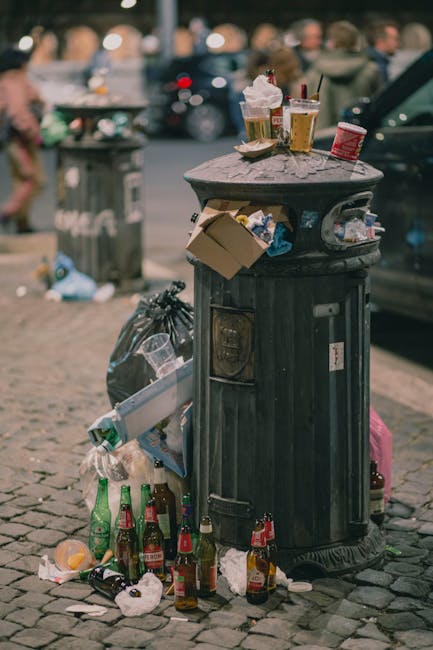
Hounslow Council rules for household rubbish disposal: a practical local guide
If you live in Hounslow, the rules around household rubbish disposal can feel straightforward one minute and oddly specific the next. A mattress here, a broken TV there, a bag that should have gone in the black bin but didn't quite fit... and suddenly you're wondering what the council expects, what gets collected, and what could get you into trouble. This guide explains Hounslow Council rules for household rubbish disposal in plain English, with the kind of practical detail that helps on a busy weekday, not just on paper.
You'll find out how the system generally works, what counts as normal household waste, where people usually slip up, and what to do when you have bulky items, garden waste, or a pile of rubbish after a move. If you're comparing disposal options, we'll also cover the sensible alternatives and when a professional collection can save a lot of faff. Let's make it simple.
Why Hounslow Council rules for household rubbish disposal Matters
Household waste rules are not just about keeping the street tidy, although that matters plenty. They shape how safely rubbish is stored, what can be recycled, how quickly waste leaves your property, and whether you avoid nuisance, pest problems, and unnecessary charges. In a busy borough like Hounslow, where flats, terraces, and family homes all sit side by side, poor disposal habits can become everyone's problem quite quickly.
There is also a broader point: rubbish that is sorted properly is easier to collect and easier to reuse, recycle, or process responsibly. If you place the wrong item in the wrong container, the whole load can be affected. That means more work for collection teams and more frustration for you. Nobody wants a bin day that starts with a rejected bag and ends with a slightly embarrassing note on the lid.
For people moving house, clearing a loft, dealing with a bereavement, or finishing a bit of DIY, the rules matter even more. A quick decision made in the driveway at 7:30 on a wet morning can save hours later. Or cost you, if you ignore what is and isn't acceptable. That is why a clear, realistic understanding of the rules is useful, even if you've lived locally for years.
How Hounslow Council rules for household rubbish disposal Works
Most household disposal systems work on a simple principle: separate waste by type, present it in the right container or approved format, and make it available for collection on the right day. In practice, though, each type of waste has its own expectations.
General household rubbish usually goes in the main residual waste container. Recyclable materials should be kept separate where a kerbside recycling service exists. Food waste, garden waste, bulky items, and electrical items are often handled differently. Some can go out for council collection only in certain ways, while others may need a special collection or a trip to a reuse or waste facility.
What catches people out is that "household rubbish" is not one single category. A black sack of old clothes, a paint tin, broken glass, and an unwanted toaster all sit in different decision buckets. That sounds obvious when you say it out loud. In a rush, though, it's very easy to treat everything as the same thing.
Usually, the safest approach is to ask three questions:
- Can this item be reused, donated, or repaired?
- Can it be recycled with the borough's accepted materials?
- If not, does it need a special collection or a professional rubbish removal service?
For bulky clear-outs and one-off house jobs, people often look at options like house clearance in Hounslow or a broader waste removal service when the council route is too slow or too limited for the volume involved.
Key Benefits and Practical Advantages
Following the rules properly gives you more than a tidy pavement. It gives you a calmer home routine. That matters more than people admit.
- Fewer missed collections: If items are separated properly, there is less chance of being left with waste at the kerb.
- Better recycling outcomes: Clean, sorted materials are more likely to be processed correctly.
- Less odour and mess: Food waste and residual waste handled properly helps avoid smells, spills, and pests.
- Lower risk of enforcement issues: Fly-tipping, obstructive placement, and illegal dumping can create real headaches.
- More efficient clear-outs: Whether you're moving, renovating, or inheriting a property, a proper disposal plan reduces stress.
There's also a practical financial angle. If you've ever paid extra because rubbish had to be moved twice, you'll know the annoyance. Sometimes the cheapest path is not the one that looks cheapest at first glance. If you want to avoid that trap, it's worth reading about how to avoid hidden rubbish collection charges in Hounslow before you book anything.
Expert takeaway: The best rubbish disposal plan is not the one that sounds cleverest; it's the one that fits the item, the timing, and the amount of waste you actually have.
Who This Is For and When It Makes Sense
This guide is for anyone who wants to dispose of household rubbish without guessing. But it becomes especially useful in a few everyday situations.
- Families managing weekly household waste: especially if bins are overflowing or recycling is often missed.
- Tenants and flat sharers: where bin store space is tight and a single missed bag can become a neighbour issue.
- Homeowners clearing clutter: lofts, sheds, garages, and spare rooms often need a more structured approach.
- People moving home: moving-day waste piles up fast, and the timing can be awkward.
- Landlords and agents: end-of-tenancy rubbish needs to be dealt with cleanly and quickly.
- Anyone with bulky or awkward items: sofas, broken wardrobes, old appliances, or damaged garden items.
If you're in the middle of a property sale, a tidy exterior and uncluttered interior can make a surprising difference to the overall impression. For a broader local perspective, you might also find Hounslow home selling tips useful, especially when you're trying to present a property well.
And if you're settling into the area or weighing up a move, the article on real estate buying tips for Hounslow gives helpful context on the practical side of local living. Simple things matter, honestly.
Step-by-Step Guidance
Here's a practical way to handle household rubbish disposal without second-guessing yourself.
- Identify the waste type. Start by separating general waste, recycling, food waste, garden waste, bulky items, and anything hazardous or electrical.
- Check whether the item can be reused. Good furniture, books, appliances, and clothing might be better passed on than thrown away.
- Sort the recyclable materials. Keep paper, cardboard, cans, glass, plastics, and other accepted materials clean and separate.
- Bag and contain residual waste safely. Use sturdy bags and avoid overfilling them. Loose rubbish is a nuisance and can split open at the worst moment.
- Plan bulky disposal early. Don't leave a sofa, mattress, or broken wardrobe until the day before a deadline. Bulky items need more thought than a normal bin bag.
- Use the right route for special items. Paint, batteries, electrical equipment, and similar items should not be treated like everyday rubbish.
- Time your disposal around collection day or pickup windows. Put waste out when it is allowed and in the correct place. Early is fine; dumping it too soon can become a problem.
- Keep the area clean after collection. A quick sweep of the pavement or front path avoids mess, smell, and complaints from neighbours.
If you've got a larger project, such as a flat move or a post-renovation clear-out, you may need faster support. In those cases, it can help to read insider tips for fast rubbish removal after Hounslow flat moves or, when timing is tight, same-day rubbish removal near Hounslow West Station.
Expert Tips for Better Results
These are the small things that make rubbish disposal easier in real life, not just in theory.
- Keep a "don't know" box: If you're unsure where an item goes, place it in one box and decide later rather than guessing in the moment.
- Flatten what you can: Cardboard boxes, packaging, and soft plastic often take far less room when compressed properly.
- Do a room-by-room sweep: Loft first, then spare room, then under the stairs, then shed. Small hidden piles add up fast.
- Separate items by destination: One pile for recycling, one for household rubbish, one for donations, one for special disposal. It sounds fussy, but it works.
- Think ahead about access: If items need to pass through narrow hallways or up/down stairs, check that they can be moved safely before collection day.
- Use a weekday window for sorting: A 20-minute sort session on a Tuesday evening can save a full Saturday later. It's dull. It works.
To be fair, the biggest improvement usually comes from not waiting until the heap is out of control. Once the rubbish pile starts looking like it has taken over the hallway, everything gets slower and more annoying. That's just how it goes.
If your household waste is part of a bigger change, such as a garden refresh or exterior tidy-up, the local advice on garden waste collection tips in Osterley Park is a useful companion read.
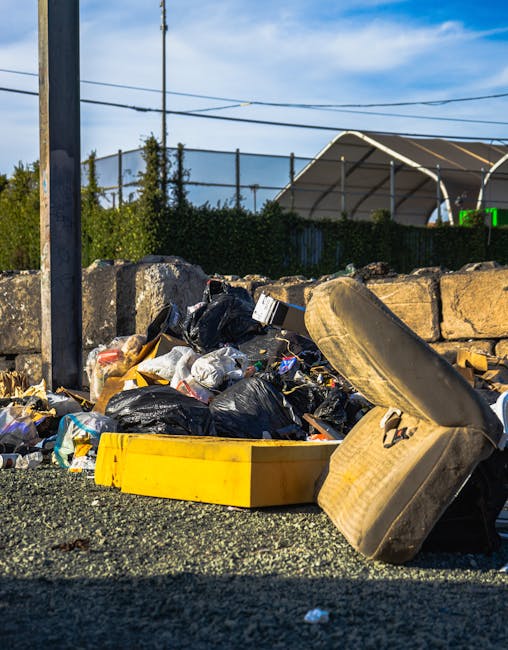
Common Mistakes to Avoid
Most disposal problems come from a handful of repeat mistakes. The good news? They're easy to dodge once you know what to look for.
- Mixing recycling with general waste: one greasy container can contaminate a much larger load.
- Overfilling bags: split bags create litter, waste time, and can make collection harder.
- Leaving items out too early: this can block pavements or attract rain, vermin, or complaints.
- Ignoring awkward items: batteries, electricals, sharps, chemicals, and paint need special care.
- Guessing on bulky waste: a sofa is not just a "big bag" problem; it usually needs its own plan.
- Forgetting about shared spaces: bin stores, communal pathways, and front gardens need a little extra consideration in flats and HMOs.
One common scene: someone clears a kitchen on a Sunday night and shoves everything into mixed bags, hoping bin day will sort it out. It rarely does. Better to stop, separate the obvious bits, and deal with the rest properly. You'll thank yourself later.
If your issue is a bulky estate clearance rather than normal household rubbish, take a look at bulky rubbish collection and clearance in Cranford Estate for a more situation-specific perspective.
Tools, Resources and Recommendations
You do not need fancy equipment to dispose of household waste well. A few basic tools, used consistently, are enough.
- Sturdy bin bags: useful for residual waste and tidy transport.
- Reusable boxes or tubs: ideal for sorting recyclables or holding small items for donation.
- Labels or sticky notes: surprisingly helpful when several people in the house are sorting rubbish together.
- Gloves: sensible for lofts, sheds, garden jobs, and anything sharp or dusty.
- A torch: a small thing, but handy in bin stores, cupboards, and dark corners where things get forgotten.
From a services point of view, the most useful local pages are the ones that help you match the job to the right level of support. If you want a broad overview of options, start with services overview. If the job involves heavy or awkward waste, the dedicated rubbish collection in Hounslow page is often a better fit. For more substantial property clear-outs, house clearance in Hounslow is the more relevant route.
Garden refuse deserves its own treatment too, especially after a weekend pruning session when the path smells faintly of cut grass and damp leaves. For that, garden waste removal in Hounslow can be a much cleaner solution than trying to squeeze branches into everyday bags.
If your clear-out is tied to sustainability goals, the page on recycling and sustainability is worth a read. It helps frame disposal as part of responsible reuse, not just getting things out of the way.
Law, Compliance, Standards, or Best Practice
This is the bit people often skim, then regret later. Household waste disposal in the UK sits within a wider framework of environmental and waste management expectations. You do not need to memorise the fine print to act sensibly, but you do need to understand the basic direction of travel: waste should be stored safely, presented properly, and handled by the correct route.
Best practice usually means:
- keeping waste within your property until collection is allowed,
- not placing rubbish where it blocks pavements, entrances, or emergency access,
- sorting recyclable and non-recyclable materials correctly,
- treating electrical items and hazardous materials as separate categories,
- using licensed or reputable services for larger or more complex waste streams.
If a waste item is potentially harmful, sharp, heavy, or contaminated, do not improvise. That's where people get hurt or where disposal goes wrong. Our own recommendation is simple: if an item feels awkward for a standard bin system, treat it as special waste until you're sure otherwise.
It also helps to think about accountability. If you pass waste to someone else, you want to know they'll handle it properly. That is why service transparency matters. If you want more context on responsible operations and safety, the pages on insurance and safety and terms and conditions are worth reviewing alongside any disposal decision.
Truth be told, compliance is usually less about complicated law and more about doing ordinary things carefully. Which is boring. But boring is good here.
Options, Methods, or Comparison Table
Different waste scenarios need different disposal methods. Here's a practical comparison to help you choose.
| Method | Best for | Pros | Limits |
|---|---|---|---|
| Kerbside household collection | Routine domestic rubbish and recycling | Simple, familiar, usually low effort | Not suitable for large, awkward, or special items |
| Recycling separation | Clean paper, cardboard, glass, cans, and similar materials | Supports reuse and reduces residual waste | Contamination can cause problems |
| Special collection / bulky pickup | Sofas, mattresses, appliances, and large household items | Useful for one-off clear-outs | May require scheduling and item prep |
| Professional rubbish removal | Mixed, heavy, urgent, or high-volume waste | Fast, convenient, less lifting for you | Usually a paid service |
| Garden waste service | Grass cuttings, branches, leaves, and pruning waste | Keeps outdoor spaces tidy | Not for general household rubbish |
If you are weighing convenience against cost, a professional collection is often best when the waste is bulky, time-sensitive, or mixed. On the other hand, if you've just got a few properly separated bags, the standard route is usually enough.
People sometimes ask whether office or business waste works the same way. Not quite. If your situation involves a workspace rather than a home, the more suitable pages are office clearance in Hounslow and builders waste disposal in Hounslow, because those jobs bring different waste types and handling needs.
Case Study or Real-World Example
Imagine a family in a Hounslow terrace preparing for a weekend clear-out before a move. There are old toys, two broken chairs, several bags of clothes, cardboard from flat-pack furniture, and a small pile of garden cuttings from the back yard. At first glance, it looks like one job. In reality, it is four or five.
They start by separating donateable items from rubbish. The clothes go into one pile, cardboard into another, the chairs into a bulky-waste pile, and the garden cuttings into a separate bagged stack. By Sunday evening, the hallway is still messy, but at least it is organised. That matters. The collection process becomes far easier because each stream has a clear destination.
Now compare that with a second household that dumps everything into mixed sacks. The bags split, the cardboard gets wet, the old chair legs poke through, and the whole lot becomes awkward to manage. The amount of waste is similar. The effort is not. That's the difference organisation makes.
If you're in a similar position and the job is tied to moving day, a quick read of common delays with Hounslow rubbish pick-ups and fixes can help you avoid avoidable hold-ups. One late pickup can throw the whole week off, and nobody needs that.
Practical Checklist
Use this checklist before you put anything out for disposal or book a collection.
- Have I separated recycling from general waste?
- Do I know which items can be reused, donated, or repaired?
- Have I identified any electrical, hazardous, sharp, or awkward items?
- Are my bags strong, sealed, and not overfilled?
- Have I kept bulky items accessible and safe to move?
- Is the waste being placed out at the right time?
- Will the collection point stay clear for neighbours and pedestrians?
- Do I need a specialist service for garden, house, office, or builders waste?
- Have I checked whether the items need extra care because of size, weight, or contamination?
- Have I chosen the simplest route rather than the quickest-looking one?
If you can tick most of those boxes, you're usually in good shape. If not, pause and sort the waste properly first. It's easier than dealing with a pile that has turned into a minor household argument by Thursday afternoon.
Get a free quote today and see how much you can save.
Conclusion
Hounslow Council rules for household rubbish disposal are not there to make life difficult. They exist to keep waste manageable, streets cleaner, and collections safer and more efficient. Once you understand the basic categories and stop treating every item as "just rubbish", the whole system becomes much easier to handle.
The real win is peace of mind. Your bins are in order, bulky items are handled properly, and you don't end up with a last-minute scramble because a sofa was left outside at the wrong time or a mixed bag went where it shouldn't. Small habits make a big difference here.
Whether you're managing weekly household waste, clearing out after a move, or dealing with a bigger tidy-up, the best approach is the one that feels organised, safe, and realistic. And once you've got that in place, the whole thing becomes a lot less stressful. A bit more breathing room. A bit less mess. That's the goal, really.

From a young age, Blair has cultivated a passion for order, which has now matured into a prosperous profession as a waste removal specialist. She derives satisfaction from transforming disorderly spaces into practical ones, aiding clients in conquering the burden of clutter.
 Tipper Van - Rubbish Collection and Basement Clearance Prices in Hounslow, TW3
 Luton Van - Rubbish Collection and Basement Clearance Prices in Hounslow, TW3