Cranford estate bulky rubbish collection and clearance
Posted on 05/06/2026
Cranford estate bulky rubbish collection and clearance: a practical local guide
If you live on or near Cranford Estate, bulky rubbish has a habit of building up at the worst possible time. A broken wardrobe waits in the hallway. An old sofa becomes "temporary" for three weeks. The shed fills with flattened boxes, garden clippings, and bits of furniture you meant to sort out last weekend. Before you know it, the place feels cramped and slightly chaotic.
This guide to Cranford estate bulky rubbish collection and clearance explains how the process works, what to expect, when it makes sense, and how to choose the safest, cleanest, least stressful option. Whether you are clearing a flat, dealing with post-renovation debris, helping a relative downsize, or simply reclaiming space, you will find practical advice here rather than vague generalities. Let's face it, nobody wants to spend a whole Saturday wrestling a mattress down the stairs if there is a smarter way.
For readers who want a broader picture of related services, it can also help to look at the full range of waste and clearance services and the company's background and approach before booking anything.

Why Cranford estate bulky rubbish collection and clearance Matters
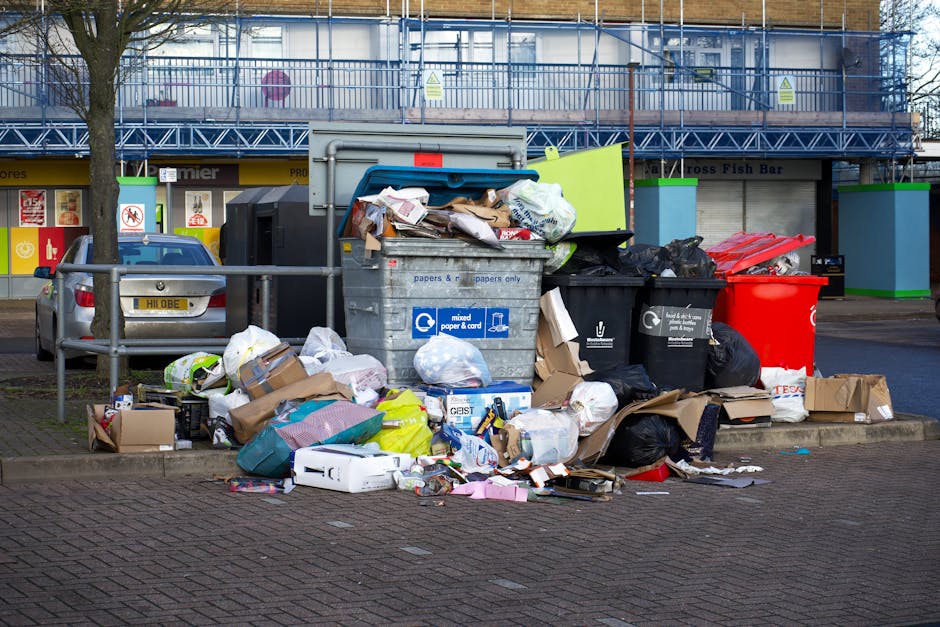
Bulky rubbish is not just "stuff in the way." On an estate, it can quickly become a practical issue for access, safety, tidiness, and neighbour relations. A single oversized item can block a narrow corridor, make communal areas look neglected, or create a trip hazard outside a front door. That is especially true where shared paths, stairwells, and parking spaces already carry a lot of daily foot traffic.
There is also a psychological side to it. Rooms feel smaller when clutter grows. You stop noticing the extra chair or broken unit for a while, then one day it hits you: this is taking up space you actually need. In homes that are being sold, let, inherited, or refurbished, bulky waste tends to become the final barrier between "almost done" and genuinely ready.
Another reason it matters is disposal quality. Not every item should go the same way. Some things can be reused, some recycled, and some require careful handling. A proper clearance service helps sort that out sensibly, rather than turning everything into one mixed load and hoping for the best. If sustainability matters to you, it is worth reading the company's recycling and sustainability approach as part of your decision.
Expert summary: The best bulky rubbish collection is not just fast. It is organised, respectful of neighbours, mindful of safety, and clear about what happens to your waste after it is removed.
How Cranford estate bulky rubbish collection and clearance Works
The process is usually simpler than people expect. Most bookings follow a straightforward pattern: you describe what needs removing, the team estimates the load, agrees a time window, turns up, lifts the items, and clears the space. The best providers keep communication calm and plain. No jargon. No drama. Just a clear plan.
For Cranford Estate properties, access details matter more than people sometimes realise. Is there a lift? Is the item on the third floor? Can a van park close by? Are there any communal rules about loading, quiet hours, or hallway access? These practical points shape the visit and can affect timing more than the actual weight of the rubbish.
In many cases, bulky rubbish collection covers items such as:
- sofas and armchairs
- mattresses and bed frames
- wardrobes, desks, and cabinets
- white goods, where accepted
- old carpets and underlay
- broken outdoor furniture
- mixed household clutter from lofts, sheds, or storage spaces
If the job is bigger than a simple pick-up, you may need a fuller clearance. That could mean a house clearance service for a flat or home, or a office clearance if the space is commercial. For heavier renovation debris, the dedicated builders waste disposal service is usually the better fit.
Same-day or short-notice options can sometimes help if you are between tenancy dates or moving fast. If that is you, this local guide on same-day rubbish removal near Hounslow West Station is a useful related read.
Key Benefits and Practical Advantages
People usually think about clearance in terms of "getting rid of things," but the real benefits go further than that. The right service can reduce stress, save time, protect the property, and make the rest of your project easier.
1. Faster progress on your actual goal
Maybe you are selling, moving, or refreshing a room. Bulky waste removal removes the obstacle that keeps everything else paused. Once the old furniture is out, cleaners can work properly, decorators can access walls, and moving teams can do their job without a shuffle around an awkward sofa that nobody wants.
2. Better use of space
Space is not just square footage. It is flow. It is being able to walk from the kitchen to the front door without a side-step. It is opening a cupboard without knocking over the same broken lamp for the fifth time. After a good clearance, the property often feels lighter. Not a fancy word, just true.
3. Reduced risk of injury or damage
Bulky items are awkward. They scratch walls, catch on bannisters, and can strain backs if lifted badly. Professional removal reduces those risks and keeps communal areas tidier too. For safety-focused readers, the company's insurance and safety information is worth checking before booking.
4. Better environmental outcomes
Sorting items properly means more can be reused or recycled where suitable. That is better than sending everything into the same stream. It is a small thing on one booking, perhaps, but it adds up over time.
5. Less neighbour friction
On an estate, one person's clutter can become everyone's inconvenience. Prompt, tidy collection avoids blocked access, shared-area mess, and the sort of little irritation that can linger for weeks. Nobody wants to be "that flat" for the wrong reasons.
Who This Is For and When It Makes Sense
This service is useful for a surprisingly wide range of people. Some jobs are obvious. Others are more situational. Truth be told, bulky rubbish clearance often becomes the easiest answer when your time, energy, or access is limited.
- Homeowners clearing old furniture before a sale or renovation
- Tenants who need to leave a property in decent condition before check-out
- Landlords and letting agents dealing with left-behind items
- Families sorting a relative's home after a move or bereavement
- Small businesses removing outdated office furniture or storage clutter
- People with limited access or mobility who cannot shift large items themselves
If you are preparing a property for the market, it may help to pair clearance with a broader plan. These local guides on home selling tips in Hounslow and buying tips for Hounslow properties can help frame the timing. A clean, uncluttered home tends to feel more manageable for buyers and sellers alike.
It also makes sense after life changes. Downsizing, separation, probate, a long-overdue refurb, or a new baby arriving in a small flat - all of these can suddenly turn "we'll deal with it later" into "we need this gone this week." That is normal. Very normal.
Step-by-Step Guidance
If you want the process to run smoothly, a little preparation goes a long way. You do not need to stage a military operation. Just think it through in the right order.
- Walk through the property and list what needs removing. Include furniture, mixed junk, white goods, garden items, and anything stored in lofts or sheds.
- Separate anything you want to keep. It sounds obvious, but this is where people make mistakes. A label on the box is not enough if it still looks like "rubbish" in the corner.
- Check access. Measure awkward items if needed, note stairwell turns, parking restrictions, lift access, and any estate rules that could affect the visit.
- Photograph larger loads. This helps with planning and often makes quoting more accurate. One quick phone photo can save a lot of back-and-forth.
- Ask what happens to reusable items. Reuse and recycling policies vary, so this is a sensible question rather than a fussy one.
- Book a time that fits the real job. If the space is packed, allow enough time for sorting and loading. Rushing is where things get messy.
- Clear a path to the items. Even a narrow route can make a job much easier. Move smaller objects beforehand if you can.
- Do a final walk-through before the team leaves. Check cupboards, balconies, behind doors, and under beds. You'd be surprised how often a final forgotten item appears at the last moment.
If the property contains a mix of household waste and renovation debris, or if the job has grown larger than expected, ask whether a blended clearance plan is better than a simple one-off collection. That is often the difference between "fine" and "done properly."
Expert Tips for Better Results
Here are the practical things that tend to make the biggest difference. Not glamorous, maybe. But very effective.
- Group items by type. Put furniture together, bagged waste together, and breakables away from heavy items. It speeds up loading and reduces confusion.
- Keep valuables and documents separate. In inherited or long-stored properties especially, old paperwork can hide inside drawers or boxes. Check carefully.
- Be honest about volume. Understating the amount usually leads to delays or extra cost later. Better to over-explain than under-prepare.
- Think about timing around neighbours. Early mornings are not always ideal in quieter blocks. A considerate slot can help keep the day calm.
- Use photo-based quoting where possible. It is often the quickest way to get a realistic estimate.
- Ask about recycling and disposal routes. A transparent answer is a good sign.
One small but useful tip: if you are clearing an estate property after a long period of occupation, open windows before the team arrives. It sounds trivial, but stale air, dust, and that old-furniture smell can make the room feel far worse than it is. Fresh air helps. Simple as that.
And yes, a bit of tea never hurts either. The builder's mug has saved many a moving day, let's be honest.
Common Mistakes to Avoid
Most problems come from rushing, guessing, or leaving too much until the last minute. The good news? They are avoidable.
- Leaving bulky items in a shared hallway too long. That can create inconvenience and potential safety issues.
- Assuming everything can be lifted without checking access. Some items look manageable until they meet a tight corner or narrow stairwell.
- Mixing keep, donate, and remove piles. Once that happens, sorting takes longer and mistakes become more likely.
- Booking too late. If you are tied to moving dates or handover deadlines, late booking can turn into a scramble.
- Choosing a service only on speed. Fast is useful, but it should still be tidy, insured, and properly organised.
- Forgetting about sensitive content. Old letters, IDs, tenancy papers, and financial documents should be checked before anything goes.
Sometimes people also underestimate how tiring heavy lifting can be. One sofa is fine in theory. By the second trip you are suddenly negotiating with your own knees. Not ideal.
Tools, Resources and Recommendations
You do not need specialist equipment for every job, but a few basic tools make a big difference if you are preparing items yourself.
- Strong refuse sacks for mixed household clutter
- Labels or sticky notes to mark keep/remove/donate
- Gloves for dusty loft or shed items
- Measuring tape for awkward furniture or access points
- Phone camera for photos and planning
- Basic cleaning supplies for a quick final wipe-down after removal
For planning around service types, the most relevant pages are usually the general rubbish collection service, the wider waste removal options, and the more specific services for homes, offices, gardens, or renovation waste. If the issue is mostly outdoor clutter, the garden waste removal service may fit better than a general clearance.
There are also useful supporting resources on the site for practical concerns like pricing and quotes, payment and security, and the company's published terms and conditions. Those pages matter because a good booking is not just about the rubbish. It is about trust and clarity too.
Law, Compliance, Standards, or Best Practice
With bulky rubbish, best practice matters even when the job looks straightforward. The exact legal details can vary depending on the waste type, the property, and how the service is arranged, so it is sensible to stay cautious rather than assume everything is identical from one job to the next.
As a rule of thumb, you want a provider that handles waste responsibly, avoids fly-tipping, and treats customer property carefully. That means correct loading, sensible segregation where possible, and clear communication about what can and cannot be taken. If you are clearing a home after bereavement or moving into a new place, check whether anything sensitive or hazardous needs extra attention.
For properties with estate rules, shared access, or building management requirements, keep an eye on the practical side too. Hallways should be left clean. Entry points should not be blocked. Noise should be kept reasonable. These are basic courtesies, but they matter more than people think.
If you are choosing a provider, look for clear safety information, transparent service explanations, and a straightforward approach to handling waste. Good practice is often visible in the small things: punctuality, tidy loading, respect for the property, and a calm answer when you ask a direct question.
Options, Methods, or Comparison Table
Not every clearance job needs the same approach. Here is a simple comparison to help you think it through.
| Option | Best for | Pros | Watch-outs |
|---|---|---|---|
| Self-clearance | Very small loads, easy access, light items | Can be cheap if you already have transport | Time-consuming, physically demanding, disposal rules can be awkward |
| Bulky item collection | Sofas, beds, wardrobes, a few large items | Quick and practical, less lifting for you | May not suit mixed loads or full-room clearances |
| Full house clearance | Inherited homes, moves, emptying multiple rooms | Covers larger volumes in one organised visit | Needs better planning and clearer sorting |
| Builders waste disposal | Renovation debris, rubble, mixed trade waste | Designed for construction-type materials | Not always suitable for household furniture or general clutter |
| Garden waste removal | Cuttings, branches, outdoor clean-ups | Ideal for exterior tidy-ups | Not the right choice for indoor bulky rubbish |
If you are weighing up which route makes the most sense, think in terms of volume, access, item type, and timing. That simple filter will usually point you in the right direction.
Case Study or Real-World Example
Here is a typical Cranford Estate scenario. A resident is preparing a two-bedroom flat for sale. Over the years, the spare room has become a storage room, which is of course a very common British phenomenon. There is an old bed base, two broken shelves, a desk, a stained rug, and several bags of miscellaneous items that were meant to be sorted "next month."
The property is on an upper floor, and access is decent but not generous. The resident takes a few photos, checks the lift size, and separates personal paperwork from everything else. A collection is booked for a morning slot, with clear instructions about parking and entry.
On the day, the team removes the larger pieces first, then bags the mixed clutter, then does a final sweep of the room. By lunchtime, the room is empty, the carpet can be cleaned, and the estate agent can take photographs the next day without an awkward pile of leftovers in the corner. That is the real value: not just removing junk, but moving the whole project forward.
It sounds simple. In practice, that simplicity is the point.
Practical Checklist
Use this before you book your Cranford Estate bulky rubbish collection:
- Have you listed every item to be removed?
- Have you separated keep, donate, recycle, and remove piles?
- Have you checked stairs, lift access, and parking?
- Have you measured any awkward furniture?
- Have you removed valuables, documents, and sentimental items?
- Do you know whether the job is a simple bulky collection or a fuller clearance?
- Have you checked the provider's safety and insurance details?
- Have you asked about recycling or reuse handling?
- Have you chosen a time that works for you and the property?
- Have you done one last walk-through before the team leaves?
That final walk-through matters more than people realise. A cupboard, balcony, or under-bed space can hide one last item. Always one more thing.
Conclusion
Cranford estate bulky rubbish collection and clearance is really about restoring order without making life harder than it needs to be. The right approach saves time, reduces stress, protects the property, and helps you move on to the next stage of your plan with less friction. Whether you are clearing one heavy item or dealing with a full property, good preparation and a sensible service choice make all the difference.
There is no prize for doing it the hard way. If you plan the access, sort the items properly, and choose a provider that works neatly and responsibly, the whole process becomes much more manageable. And honestly, it is a relief when a cluttered room finally becomes a usable one again.
If you are comparing options, reviewing service details, or planning a prompt collection, take a moment to look at the relevant pages on rubbish collection and pricing so you can make a confident decision.
Get a free quote today and see how much you can save.
Sometimes the best home improvement is simply getting your space back. Funny how good that feels, isn't it?


From a young age, Blair has cultivated a passion for order, which has now matured into a prosperous profession as a waste removal specialist. She derives satisfaction from transforming disorderly spaces into practical ones, aiding clients in conquering the burden of clutter.
 Tipper Van - Rubbish Collection and Basement Clearance Prices in Hounslow, TW3
 Luton Van - Rubbish Collection and Basement Clearance Prices in Hounslow, TW3