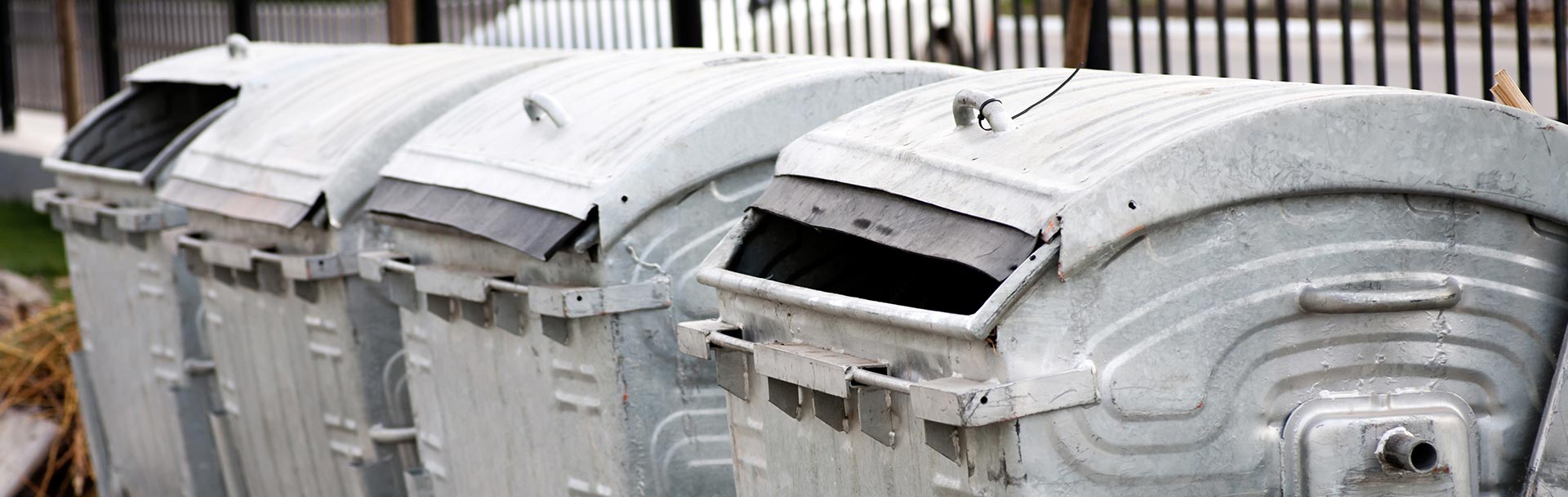
Avoid Hounslow Council fines for illegal rubbish dumping
Posted on 10/09/2026
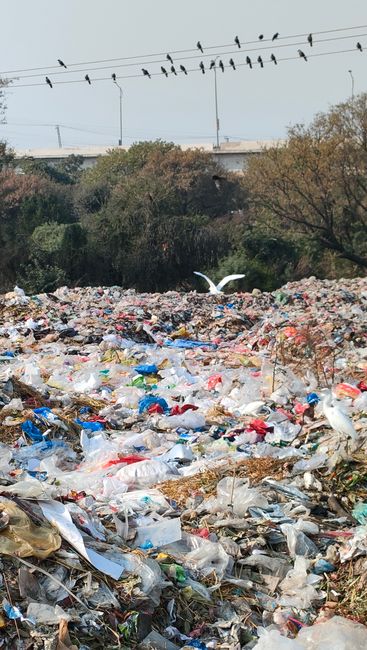
If you are trying to avoid Hounslow Council fines for illegal rubbish dumping, the safest approach is usually the simplest one: know what counts as fly-tipping, separate your waste properly, and use a legal disposal route every time. That sounds obvious, but in practice people get caught out by a sofa left "for later," a bag of builder's rubble dropped near a bin, or a handover that never quite got finished after a move. It happens more often than you'd think.
This guide explains how illegal dumping issues arise in Hounslow, why councils treat them seriously, and what you can do to stay compliant without making rubbish removal a headache. You will also find a step-by-step process, practical mistakes to avoid, a comparison of disposal options, and a checklist you can actually use on a busy day.
Why Avoid Hounslow Council fines for illegal rubbish dumping Matters
Illegal dumping is not just an ugly sight on a street corner or by a set of garages. It creates a chain of problems: blocked pavements, pest attraction, sharp hazards, complaints from neighbours, and cleanup costs that ripple through the whole area. In a busy part of west London like Hounslow, that can quickly become a real nuisance.
Let's face it, nobody wants to be the person whose old mattresses, broken cabinets, or loose black bags end up causing a mess outside someone else's home. The financial risk is also very real. Councils can issue fines or take enforcement action where waste is fly-tipped, left in the wrong place, or handed to an unlicensed carrier. Even when someone means well, "I thought it would be fine" is not much of a defence after the fact.
The other reason this matters is reputational. If waste is linked back to your address, business, or building, it can lead to awkward conversations with landlords, managing agents, neighbours, or local businesses. One careless decision can create a long tidy-up, and frankly, the stress is rarely worth it.
If you are also dealing with a move, house clearance, or renovations, it helps to understand the broader context around local living and disposal habits. The realities of space, parking, and collection timing in the borough are discussed in pieces like what locals say about living in Hounslow and Hounslow council rules for household rubbish disposal.
How Avoid Hounslow Council fines for illegal rubbish dumping Works
At a practical level, avoiding fines comes down to proving that your rubbish left your possession through a legitimate route. That means using the right collection service, checking whether items belong in household waste, recycling, garden waste, or specialist disposal, and keeping enough record of what you arranged. A photo, receipt, or booking confirmation can make a surprisingly big difference if questions are ever raised.
Illegal dumping commonly happens in a few ways. Someone leaves waste beside a communal bin. A landlord or tenant assumes the last occupier will deal with it. A tradesperson dumps material near a skip or hedge because "it'll be collected later." Or a householder hires the cheapest possible removal option without checking whether the operator is properly set up. To be fair, most people are not trying to do anything wrong. They just move too quickly and skip the boring bit.
The main thing to remember is that responsibility does not always disappear when the waste leaves your hands. If you pass waste to someone who is not authorised to take it, or you dump it where it shouldn't be, you can still face consequences. That is why it pays to use an established, transparent route and not a vague promise from someone with a van and a dodgy grin.
If the waste came from a refurb or extension, the risk is even higher because construction materials are often treated differently from normal household items. Our guide to skip permit rules in Hounslow and builders waste disposal in Hounslow are useful starting points for those jobs.
Key Benefits and Practical Advantages
Staying on the right side of rubbish disposal rules is about more than avoiding a penalty. It also makes everyday life smoother. Waste is out of the way quicker, neighbours are less likely to complain, and you are not left wondering whether that pile in the hallway has become a future problem.
- Less risk of enforcement action: you reduce the chance of a fine, warning, or follow-up investigation.
- Cleaner property and streets: your home, building, or worksite stays safer and more presentable.
- Better planning: once you know your disposal options, clear-outs become easier to manage.
- Improved neighbour relations: no one enjoys seeing a pile of waste sitting by shared entrances for days.
- More recycling, less landfill: separating waste properly usually leads to a better environmental outcome.
There is also a hidden benefit for anyone selling, buying, or moving. A tidy, compliant property is easier to hand over, photograph, and inspect. If you are in that stage, the posts on home selling tips in Hounslow and real estate buying tips for Hounslow fit neatly with this topic because waste management often becomes part of the moving timeline whether you planned it or not.
Who This Is For and When It Makes Sense
This is relevant to a wider group of people than most assume. It is not just for homeowners who have left an old fridge outside. In reality, many of the risks come from ordinary life moments that overlap with rubbish disposal.
- Homeowners clearing out lofts, garages, sheds, or spare rooms.
- Tenants who need to leave a flat clean at the end of a tenancy.
- Landlords and letting agents managing abandoned furniture or mixed waste.
- Builders and tradespeople handling rubble, timber, plasterboard, and packaging.
- Office managers disposing of desks, chairs, IT equipment, and archive waste.
- Families handling probate or downsizing where possessions need sorting quickly.
It also makes sense if you are working to a deadline. Moving day. End of a tenancy. A builder arriving on Monday morning. A council collection you cannot afford to miss. These are the moments where a vague plan turns into a mess if no one has thought through waste removal properly. Been there, seen that, and it is never fun.
For larger clear-outs, the right approach depends on the kind of waste involved. A garden overhaul is different from office furniture, and a house clearance is different again from a one-off bulky item pickup. The following pages may help you match the job to the right kind of service: house clearance in Hounslow, office clearance in Hounslow, and garden waste removal in Hounslow.
Step-by-Step Guidance
If your goal is to avoid Hounslow Council fines for illegal rubbish dumping, use a process rather than guessing. A tidy process saves time and reduces mistakes. Here is a sensible workflow.
- Identify the waste type. Split items into household rubbish, recycling, garden waste, bulky items, construction waste, and anything special such as electricals or paint.
- Check what can be reused or donated. If something is usable, do not rush it into the bin. Reuse is often the cleanest route.
- Decide whether council collection is enough. For small, routine waste, normal kerbside collection may be fine. For bulkier items, it may not be practical.
- Choose a lawful disposal option. Use the relevant collection route and make sure the person or company handling the waste is legitimate.
- Keep proof. Save booking details, receipts, or messages in case anyone asks how the waste was handled.
- Do not leave waste in public space. Even temporarily. "Just for a few hours" is where trouble often starts.
- Arrange prompt collection or drop-off. The longer waste sits around, the more likely it is to become someone else's problem.
A simple example: if you have old wardrobes, broken shelves, and a few bags of packaging after a move, you might think about stacking everything near the front wall for later. That is exactly the kind of thing that causes complaints if it blocks access or spills out. A better plan is to book removal in advance and get it gone in one go. Nice and boring. Which is perfect, really.
For faster turnarounds after a move, it can also help to read fast rubbish removal tips after Hounslow flat moves and common delays with Hounslow rubbish pick-ups and fixes. Those two pieces are especially useful if time is tight and the bins are already overflowing.
Expert Tips for Better Results
From a practical standpoint, the safest waste removal jobs are the ones where nothing is left to chance. A few expert habits can reduce risk quite a lot.
- Photograph waste before collection. It sounds slightly fussy, but it helps if you need to show what was removed and when.
- Mix less waste together. Keep wood, metal, cardboard, green waste, and general rubbish apart where possible.
- Ask how the waste will be handled. A decent provider should be able to explain sorting, loading, and disposal in plain English.
- Be careful with communal areas. Stairs, bin stores, and shared entrances are where complaints often start.
- Book before the deadline. If you know a tenancy checkout or inspection is coming, do not leave waste until the night before.
One small but useful observation: when people are under pressure, they often focus on the visible pile and ignore the awkward bits. The awkward bits are usually the real issue. A dismantled bed frame leaning in a corridor. A broken desk hiding behind the door. A heavy bag nobody wants to lift. Those are the things that cause last-minute stress, not the big obvious sofa.
If you want to understand the cost side a little better, it is worth reading how to avoid hidden rubbish collection charges in Hounslow and reviewing pricing and quotes carefully before agreeing to anything.

Common Mistakes to Avoid
Most fines and complaints come from predictable errors. The good news is that they are easy to prevent once you know what to watch for.
- Leaving waste beside bins or on the pavement. This is one of the fastest ways to cause a problem.
- Using an unverified collector. If someone is vague about where the waste will go, that is a red flag.
- Assuming bulky items are the same as household bags. They often need a different route.
- Mixing hazardous or specialist waste with general rubbish. That can create safety and compliance issues.
- Ignoring timing. A job delayed by a few days can turn into a complaint very quickly.
- Forgetting about access. If a removal crew cannot get to the items safely, waste may be left behind.
Another easy mistake is relying on "someone I know who has a van." Sometimes that works out fine, of course. Sometimes it does not. If the waste later appears dumped in a lane or next to a hedge, your name may end up in the middle of it. No thanks.
Tools, Resources and Recommendations
You do not need a complicated toolkit to manage rubbish responsibly. What helps most is a simple system and a few reliable habits.
- Labels or masking tape: useful for marking what is being kept, donated, recycled, or removed.
- Phone camera: for before-and-after photos and evidence of collection.
- Basic gloves and sturdy bags: helpful for sorting small items safely.
- Measuring tape: useful if you are checking whether a bulky item can be moved through a doorway or down stairs.
- Booking notes: keep times, access instructions, and item lists in one place.
For related support, these pages are worth having open while you plan: services overview, waste removal in Hounslow, rubbish collection in Hounslow, and recycling and sustainability guidance. They help set expectations before you commit to a collection plan.
If the job involves a property after a bereavement, downsizing, or family handover, the practical reality can be more emotional than messy. That is where a clear plan matters even more. The article on steps for inheriting possessions is relevant because it addresses exactly that kind of decision-making pressure.
Law, Compliance, Standards, or Best Practice
Waste disposal in the UK is governed by a mix of legal duties and practical best practice. The exact rules can vary depending on the material, the location, and who is handling it, so it is wise to be careful rather than assume. The safest baseline is simple: do not dump waste, do not hand it to someone untrustworthy, and do not leave it in public or shared spaces unless it is explicitly meant to be collected there.
Best practice usually includes:
- using a legitimate collection or disposal route;
- separating recyclable and reusable materials where possible;
- keeping records of who removed the waste and when;
- avoiding overfilled bins and obstructed communal access;
- checking permit or access requirements before using skips or larger containers;
- treating builders waste and household rubbish as different streams when appropriate.
If you are organising work on a property, it is also worth paying attention to insurance and safety practices. Heavy lifting, sharp edges, dust, and awkward access all create risk. A safe process protects people as well as property, which is why insurance and safety information should not be skipped over.
For anyone dealing with renovation spoil or mixed construction material, the compliance side becomes more important, not less. That is where the Hounslow-specific guide to builders waste disposal and the article on skip permit rules can prevent an expensive misunderstanding.
Options, Methods, or Comparison Table
Different situations call for different disposal methods. Here is a simple comparison to help you choose more confidently.
| Option | Best for | Strengths | Watch-outs |
|---|---|---|---|
| Kerbside council collection | Routine household waste and recycling | Convenient for regular use; low effort | Not ideal for bulky, mixed, or urgent clear-outs |
| Skip hire | Projects with a lot of heavy waste | Useful for renovations and ongoing work | May need a permit; space and placement matter |
| Man and van style removal | Bulky household or office items | Flexible; often faster for one-off loads | Check exactly what is included and how waste is handled |
| Specialist clearance | Whole rooms, estates, offices, or complex loads | Good for larger, more awkward jobs | Needs clear planning and proper item sorting |
For many readers, the best option is the one that removes waste quickly and legally without leaving any loose ends. That is especially true for time-sensitive situations like moving house, clearing an office, or getting a property ready for sale. If you are comparing methods, the same-day rubbish removal guide for Hounslow West Station can also help you think about timing.
Case Study or Real-World Example
Picture a fairly ordinary Saturday in Hounslow. A family has spent the morning clearing a spare room before a move. There is a wardrobe to dismantle, two broken chairs, several bin bags of mixed clutter, and an old rug that has seen better days. The temptation is obvious: stack everything outside and deal with it later.
Instead, they sort the items into piles. Cardboard goes in one stack. Reusable bits get set aside. The rug and broken furniture are listed for removal. A collection is booked in advance. They keep the confirmation on their phone, and the waste is taken away the same day. Job done. No awkward pile on the pavement, no neighbour complaint, no mystery about where the waste ended up.
That is the ideal outcome, and it is not complicated. The difference is just planning. Tiny bit of admin, far less drama.
Now imagine the alternative: bags left near a bin store, one item spills out, passers-by add a few more bits, and suddenly the mess looks abandoned. That is the moment when waste can become an enforcement issue. The lesson is simple, but important: finish the job properly, not halfway.
Practical Checklist
Use this checklist before anything leaves your property.
- Have I identified the waste type correctly?
- Can anything be reused, donated, or recycled first?
- Do I know where each item is allowed to go?
- Have I avoided leaving anything on the street or in shared access areas?
- Have I chosen a lawful collection route or permitted container?
- Do I have booking details, receipts, or messages saved?
- Have I checked access, parking, and lift/stair restrictions?
- Is any item hazardous, heavy, or specialist waste?
- Have I matched the service to the size of the job?
- Is everything scheduled soon enough to avoid a pile-up?
If you can tick those off, you are already in much better shape than most rushed clear-outs. And yes, that small bit of planning really does save headaches later.
Get a free quote today and see how much you can save.
Conclusion
Avoiding Hounslow Council fines for illegal rubbish dumping is mostly about doing simple things consistently: use a proper collection route, keep waste off public land, separate items sensibly, and keep proof of disposal. The more hurried the situation, the more useful that discipline becomes.
Whether you are clearing a flat, managing a renovation, handling an office move, or simply trying to get on top of clutter, the same principle applies. Responsible waste disposal protects your budget, your neighbours, and your peace of mind. Not glamorous, perhaps. But very worthwhile.
When in doubt, slow down for five minutes, sort the waste, and choose the clean route. It is usually the easiest path in the long run, and honestly, the calmer one too.


From a young age, Blair has cultivated a passion for order, which has now matured into a prosperous profession as a waste removal specialist. She derives satisfaction from transforming disorderly spaces into practical ones, aiding clients in conquering the burden of clutter.
 Tipper Van - Rubbish Collection and Basement Clearance Prices in Hounslow, TW3
 Luton Van - Rubbish Collection and Basement Clearance Prices in Hounslow, TW3